
 EN
EN

Help! I'm Locked Inside the Vault
What would you do in this situation? If you walked into an enormous open vault door what would you do? As you walk through the rows of locked safe deposit boxes what do you think could be hiding in the boxes? As you ponder these things you hear a loud clang! Turning around in terror you see the very important security objective door of the vault slowly closing on you. You have just been left alone in a bank vault.
Just the thought of being trapped in an impenetrable, vault, as if the world outside no longer exists, is guaranteed to keep their palms sweaty in terror. That is the kind of thing that will haunt your nightmares. Fortunately for the unfortunate, as foreboding as vaults may sound, modern vaults have been developed with the possibility of someone being trapped inside in mind, and as such, engineers det the vaults with exit escape systems.
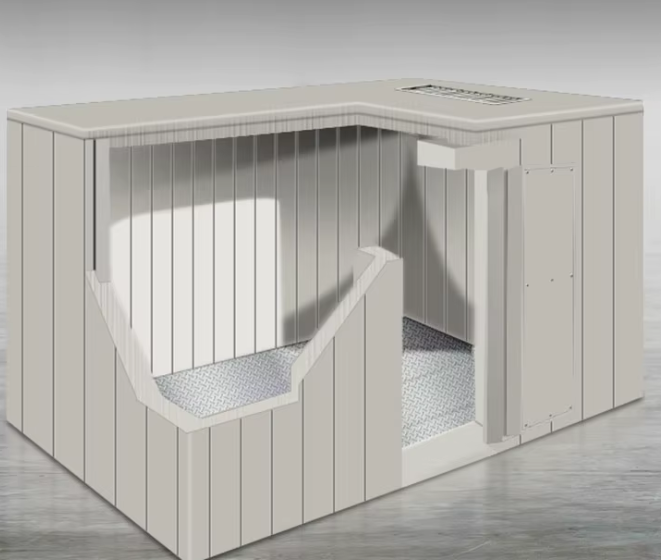
Describing the circumstance of the 'what if' of the vault yields sweat-inducing anxiety. Encased in the vault trapped in silence with the impenetrable vault walls Made with the purpose to withstand anything and everything, and with materials selected for their value to endure the ultimate insults of cuts, severs, drills, and melts, that surround the walls. Nothing. They completed their work with an excessive amount of success. They ensured nothing could get in, and also no one could get out.
You notice the air feels heavy, and still, perhaps the lack of circulation and the absence of a signal on your phone how much oxygen is in the room? You wonder how long until someone finds you, every second feels like a minute, the reality and the price of perfect security. When something like this happens, the security works flawlessly against you.
Your eyes begin to adjust to the darkness. Something catches your eye, a small panel, on the inside of the door. Could it be a handle, a button, or something else that may give you a shred of hope?
The Inside Release
Modern vaults and construction are supposed to keep people out, but also designed to let people out. You're not the first person to be here. The people who design vaults have thought of someone getting locked inside, and have designed mechanisms so it doesn't become a tragedy.
Most vaults with high security features have some sort of internal release function. This could be a handle that directly controls the locking bolts from the inside. It could be a button that initiates an emergency release. It could be a combination lock that can be activated from both sides. The details vary depending on the vault and the security level.
However, the basic concept is the same. If you are inside, you can get out. There is no need to wait for a rescuer. There is no need to panic about a losing oxygen. Just operate the device designed for that scenario.
Some vaults have what are called emergency doors in addition to their main door. If the main door lock malfunctions, someone inside can open this smaller door that is part of the main door. It is like a built in contingency plan.
Why This is Important
Consider the importance of the issue at hand. Vaults are constructed with extreme safety precautions. The walls are thick. The doors are heavy, and the locks are complicated. They are intended to keep out the unwanted. But that same safety precaution can become a danger if someone is trapped inside.
The vaults sealed air is limited. It can be a real problem if someone is trapped in the vault and it is the only air source for hours. The sealed air can also make the temperature become a problem. Then there is the psychological fear of being trapped in complete darkness, and silence in a room that is constructed of steel and concrete. The fear of being trapped in such a vault can also make someone feel panic.
This is a problem engineers have to solve when designing vaults. They have to design vaults that are extremely safe to keep out intruders, but safe enough to not trap their employees and design of vaults there are a number of factors that have to be considered to create the proper balance. You have to create a design that is not safe enough to give intruders the ability to exploit it to lock out employees and create a design that is not a death trap to employees.
Internal mechanisms that are set to challenge locked vaults to keep people out are determined by a number of factors to create the proper vault design balance and determined to create vaults that will keep employees out.Some vaults have a simple, mechanical handle that can be operated from the inside, and turning the handle retracts its locking bolts. The locking bolts that keep the vault door shut from the outside can also be disengaged from the inside. This design is simple and reliable as it requires no power, and no electronics that could fail -- just pure mechanical design.
Some vaults also have a mechanism to electronically disengage the locks, which is usually a button or a switch, and, depending on the design, can be part of the central locking mechanism. Pressing the button sends an order to the lock to disengage. These electronically controlled locks usually have mechanical locks as backups, so there is always a mechanical way to exit the vault in case the power goes out.
Some high-security vaults have a combination of different approaches. The exit door can be electronically released only after entering a certain code on an internal keypad. This mechanism increases security since an authorisation is required to exit even if someone is inside. However, to facilitate employee safety, the code is usually kept simple and is known to the people working in the vault.
Another feature is the emergency door, or door within a door. These are smaller doors that are built into the main vault door, which can be opened from the inside. They usually come into play whoever the main locking mechanism is likely to fail. If the main door is stuck or broken, you can still escape through the emergency door.
The Standards That Require This
Everything we've described is not optional. There are standards that require vaults to be equipped with internal release mechanisms. The people who regulated safety from the inside the vaults thought this through. This is why no one is supposed to be trapped inside a vault.
This is part of the national standards for vault doors. They have requirements for safety, and safety is exactly the scenario that the standards are attempting to address. They also have to require that people inside be able to escape.
Different grades of vaults have different requirements, but the basic principle of allowing escape from the inside applies to all security levels. From a Class M vault, which is rated for 15 minutes of attack resistance, to a Class C vault, which is rated for 120 minutes, people inside need to have a way out.
A Company with Perspective
Some manufacturers understand the concern, with companies like CEQSAFE demonstrating how security can also mean safety. CEQSAFE has a lot of experience in the industry managing various types of security solutions like fireproof, gun, and hotel safes. They also manage vault doors and whole vault room constructions.
When it comes to customization, the possibilities are virtually unlimited. You can specify your needs in terms of size, color, locking mechanism, door thickness, and steel plate thickness. They also tailor security solutions to clients in every continent: Europe, the Middle East, Africa, the Americas, and Asia, which is a huge testament to their quality.
Their design mentality is also about safety from the inside; vault doors are constructed to consider that people may need to exit, and so the right design features are included to enable this.
What to Consider
When considering a safe room or vault, here are some things to check. First, ask about internal release mechanisms. How can you open the door from the inside? Is it a simple handle, a button, or a combination lock? Make sure you understand how it all works before the need to use it arises.
When asking about emergency doors, you should consider if the main door has a smaller, built in door. This can certainly be a lifesaver if the main mechanism fails. It's just another layer of safety that can give you more options.
When asking about testing and certifications, you should know whether the vault meets national standards and whether it has specific UL ratings, as those certifications often encompass internal safety. When a product is certified, it means that it has been tested in the very scenarios that you are concerned about.
When asking about customization, keep in mind that every situation is different. This means you might need a specific size or specific door swing direction, whether it be inswing or outswing, left or right, double doors or single. Good manufacturers will work with you to get this all right.
People probably think being stuck in a vault is a nightmare, and in most cases that's true. Fortunately, modern vaults designed to prevent nightmares from being real. Modern vaults have internal releases, emergency exits, and other mechanisms to help you get out.
If you do find yourself in a modern vault, do not panic. Calm down and look for emergency releases. Vault engineers designed engineered ways out.
When selecting a vault for your home and business, keep that lesson in mind. Look for the releases It is likely that vault won't trap you from the outside, but true security is not just about capturing. True security is also about releasing.

