
 EN
EN

Why Can Safes Achieve Cut Resistance?
When you look at a high quality safe, what you are really looking at is a masterpiece of engineering designed to do one thing extremely well: resist violation. We often focus on the digital locks and impressive locking bolts, but the fundamental question remains – how can a metal box stand up to aggressive attacks from cutting tools, drills, and other forced entry methods? The answer lies in a clever combination of material science, structural design, and advanced manufacturing techniques. Modern safes do not rely on a single magical material but on a symphony of integrated components working together to create a barrier that is far greater than the sum of its parts. Understanding these principles reveals why a quality safe is not just a metal container but a highly evolved protective device. Let us explore the specific engineering behind this impressive cut resistance.
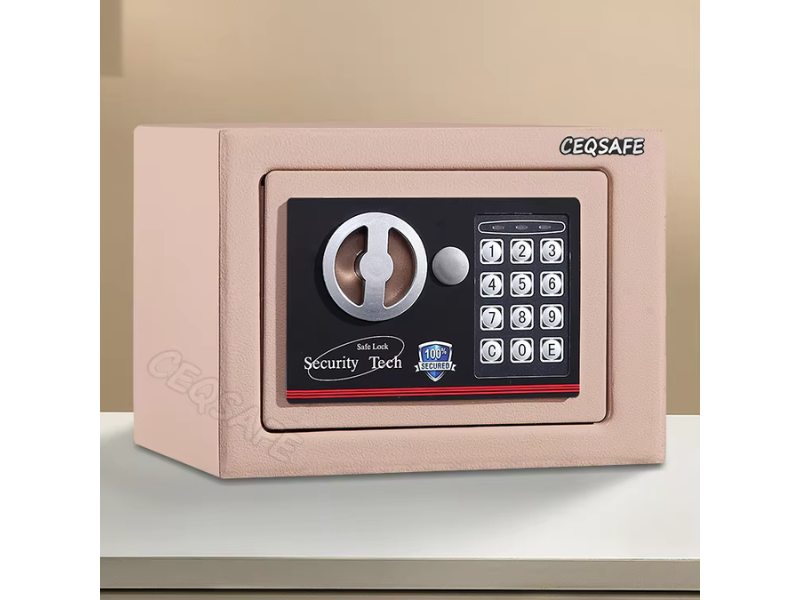
The Science of Strong Materials
At the heart of every cut resistant safe is a selection of specially chosen materials, each contributing a unique property to the overall defense system. It is not about finding the single toughest substance, but about combining different materials to create a composite structure that is incredibly difficult to breach.
The primary shield is the steel itself. High quality safes use solid steel plates for their doors and bodies. The thickness of this steel is a fundamental factor. However, thickness is not the only factor. The type and quality of the steel are critical. Many protective materials rely on alloys that have been specially treated for high hardness and tensile strength. This hardened steel resists initial cutting and drilling attempts by dissipating the energy of the tool and blunting its cutting edge. Think of it like trying to cut through very hard, dense cheese with a knife; the energy you apply is absorbed by the material, making penetration slow and difficult. This is the first line of defense: a hard, unyielding surface that challenges any cutting tool.
Beyond a single steel wall, the most effective protection comes from a composite approach. Safes often feature a multi-layered structure. A common configuration involves a thick steel door, which may be further reinforced with an internal fire-proof plate. This layering strategy is powerful because it addresses multiple types of threats simultaneously. The outer steel layer provides hardness against cutting and drilling, while the inner fire-proof plate adds mass and thermal insulation. When a cutting tool encounters this composite barrier, it must overcome each layer sequentially. The outer hard surface works to dull the tool, and the inner, sometimes different, material can absorb and disperse the remaining energy. This layered approach significantly increases the time and effort required to create a breach, which is the primary deterrent against theft.
The protective elements extend to the lock mechanism as well. The lock is a potential vulnerability, so it is shielded by features like a relocking system. This is a secondary security feature designed to engage if the primary lock is compromised. Often, these systems use a trigger, such as a glass plate, which when shattered by an impact or drill attempt, releases spring-loaded bolts that permanently lock the door. This ensures that even if an attacker manages to damage the primary lock, they face a new, even more challenging obstacle. The materials used in these components—from the hardened steel of the bolts to the specific temper of the glass trigger—are all selected for their precise protective responses.
Multi Layer Structural Design
If materials are the soldiers in the battle against intrusion, then the structural design is the general's brilliant strategy. How these materials are arranged and connected is just as important as their innate strength. A safe is not just a box; it is an energy dissipation system.
The core principle here is layering and lamination. By bonding layers of different materials together, safe manufacturers create a barrier that is much more resilient than a single, thicker layer of one material. This is similar to how modern automobile windshields are made of laminated glass that cracks but does not shatter into pieces. In a safe, a cutting tool or drill bit must deal with changing material properties as it penetrates. An outer layer of very hard steel might be designed to blunt a drill bit, while a softer, more ductile inner layer might work to grip and snap the tool. This combination effectively neutralizes a wider range of attack methods. Research into protective textiles has shown that increasing the number of layers reliably reduces the depth of penetration, a principle that directly applies to the layered metal and composite walls of a safe.
Another critical aspect of the design is the reinforcement of the weakest points: the seams and locks. The corners of a safe and the door seam are natural targets for attackers. High security safes are engineered with features like interlocking door seams, where the door wraps around the body of the safe, making it impossible to pry open without defeating the entire mechanism. Additionally, the door is often set deep into the safe's body, protecting its edges from direct attack. The lock mechanism itself is typically protected by a hardened steel plate mounted behind the external dial or keypad. This plate acts as a shield, preventing direct access to the lock's internal components. Some advanced models incorporate anti-drill plates made from exceptionally hard materials or even ceramic composites that destroy drill bits on contact.
Advanced Surface Treatments and Certification
The protection of a safe extends all the way down to its microscopic surface structure. Advanced treatments are applied not just for appearance or to prevent rust, but to actively enhance the material's resistance to wear, corrosion, and even cutting.
A common and crucial treatment is rust prevention and environmental powder coating. This coating does more than just give the safe its color and finish. It forms a tough, bonded layer that protects the underlying steel from environmental humidity and corrosion. Why does this matter for cut resistance? Because corrosion can create weak spots in the steel, microscopic pits and fractures that could potentially give a cutting tool a starting point. By maintaining the integrity of the steel surface, the coating ensures that the material's full strength is present to resist an attack. This is similar to how a well-maintained, waxed car paint job protects the metal body from rust that could eventually compromise its structural integrity.
The surface hardness can be further enhanced through specialized processes. While the steel body is chosen for its bulk properties, the very surface can be treated to become even harder. Techniques like case hardening or the application of special wear resistant coatings can create an outer "shell" that is exceptionally resistant to scratching, grinding, and initial cutting attempts. When an angle grinder or cutting wheel meets this super-hard surface, it encounters immediate, fierce resistance, wearing down the attacking tool much faster than it can penetrate the safe. These treatments work in concert with the safe's fundamental design, adding an extra, unseen layer of defense.
Furthermore, the presence of independent certifications can be an indicator of a safe's tested quality. Certifications from recognized bodies often involve rigorous testing for various factors, including reliability and safety under specific conditions. While not a direct measure of cut resistance, the process of achieving such certifications often implies that the manufacturer has adhered to strict quality control standards in material selection and construction. This commitment to verified quality throughout the manufacturing process increases the likelihood that the safe will perform as expected under duress.
From Materials to Comprehensive Security
Understanding why safes can achieve cut resistance brings us to a larger point about security itself. True protection does not come from a single feature, but from the intelligent integration of materials, design, and manufacturing quality. Each element, from the choice of steel alloy to the powder coating on its surface, plays a role in creating a unified defensive system.
When selecting a safe, it is therefore crucial to look beyond simple specifications like weight or the number of locking bolts. Inquire about the type of steel used and its thickness. Ask whether the design incorporates composite layers and what kind of protection is offered for the lock mechanism. Consider the quality of the construction, including the door fit and the reinforcement of seams. The presence of relocking devices and independent testing certifications can also serve as strong indicators of a manufacturer's commitment to security. This holistic perspective ensures that you are not just buying a metal box, but investing in a sophisticated security system engineered to protect your valuables through a combination of scientific principles and robust construction.

