
 EN
EN

The Last Line of Protection for Safes - The Relocking System
Imagine the most sophisticated safe you've ever seen. It might have a thick steel door, an advanced electronic lock, and reinforced walls designed to withstand drilling and cutting. But what happens if someone manages to break through these primary defenses? This is where the true hero of safe security comes into play – the relocking system. Often hidden from view and rarely discussed, this mechanism serves as the final barrier between thieves and your valuables. While the primary lock is the gatekeeper you interact with daily, the relocking system is the silent guardian that activates only when the safe is under attack. Understanding how this critical component works can make the difference between a failed burglary attempt and a devastating loss. Let's explore the world of relocking systems and discover why they deserve more attention in your security considerations.
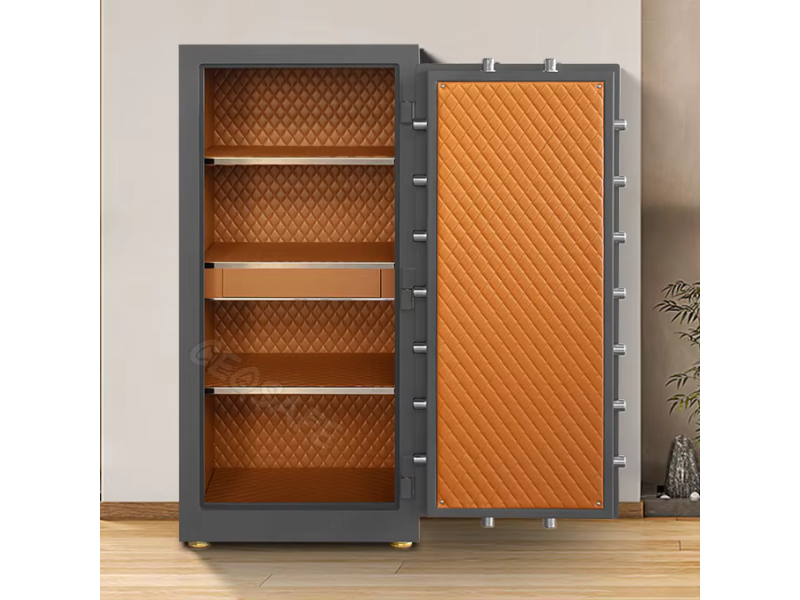
Understanding the Relocking Mechanism
At its core, a relocking system is a backup security feature designed to engage when the primary locking mechanism is compromised. Think of it as a safety net for your safe. When attackers try to force their way through the main lock using drills, explosives, or physical violence, the relocking system triggers additional bolts or bars that lock the door permanently shut. This clever mechanism ensures that even if burglars manage to destroy the primary lock, they still cannot open the safe without dealing with an entirely separate, and often more challenging, security system.
The principle behind relocking devices is both simple and brilliant. Most systems utilize either mechanical triggers or glass plates that respond to specific types of force. When someone drills into the lock mechanism or attempts to pry the door open, these delicate components break or shift, releasing spring-loaded bolts that immediately secure the door. What makes these systems particularly effective is their placement – they're typically positioned behind the main lock mechanism, making them impossible to access without first defeating the very system designed to protect them. This creates a security paradox that frustrates even experienced thieves, as defeating one system only activates another, more stubborn barrier.
Types of Relocking Systems
Not all relocking systems are created equal. Manufacturers have developed various approaches to this critical security feature, each with its own advantages and applications. Understanding these differences can help you choose the right level of protection for your needs.
The most common type is the glass plate relocker. This system features a tempered glass plate mounted behind the primary lock mechanism. The glass is under tension, holding back spring-loaded locking bolts. When the glass shatters from an impact or drilling attempt, the released springs drive additional bolts into the door frame, creating an impenetrable secondary lock. The beauty of this system lies in its sensitivity – even careful attackers can accidentally break the glass while trying to manipulate the primary lock, triggering the security system they're trying to bypass.
Another sophisticated variant is the cable relocking system. This design uses a tensioned cable connected to the primary lock mechanism. When the lock is physically attacked or removed, the cable releases, allowing spring-loaded bolts to engage. Some advanced systems incorporate multiple relockers working in concert, creating layers of protection that must each be defeated individually. These systems are particularly valued in high-security environments like banks or jewelry stores where multiple layers of protection are necessary. The exact configuration often depends on the safe's security rating and intended use, with higher security models typically incorporating more complex relocking arrangements.
Why Relockers Matter in Real World Security
You might wonder why these hidden systems matter when modern safes already have robust primary locks. The answer lies in the evolving methods used by determined criminals. Today's thieves have access to sophisticated tools and techniques that can compromise even the strongest primary locks given enough time. The relocking system fundamentally changes the security equation by introducing an unpredictable element that criminals cannot easily plan for or neutralize.
In practical terms, relockers serve as a powerful deterrent. Professional burglars often case their targets carefully, looking for vulnerabilities they can exploit. When they identify a safe with a known relocking system, they must factor in the significant additional time and effort required to defeat this secondary protection. This extra time increases their risk of detection and capture, making your safe a less attractive target. For business owners, this could mean the difference between a successful defense and a costly burglary claim.
The presence of a quality relocking system also speaks volumes about the overall construction of the safe. Manufacturers who invest in proper relocking mechanisms typically maintain higher quality standards throughout their products. This attention to detail often extends to better steel materials, more precise manufacturing tolerances, and superior protective coatings. When you choose a safe with a reliable relocking system, you're not just getting that single feature – you're investing in a comprehensively engineered security solution designed to protect your assets under the most challenging circumstances.
Choosing a Safe with Proper Relocking Protection
Selecting a safe with adequate relocking protection requires careful consideration of your specific security needs. Not every situation demands the same level of secondary protection, but understanding how to evaluate this feature can significantly enhance your overall security posture.
Start by considering what you need to protect and where the safe will be located. A home safe containing important documents and family heirlooms might require a different level of protection than a commercial safe storing daily cash receipts or valuable inventory. The environment matters too – a safe in a remote location might need more robust protection than one in a regularly monitored area. For most residential applications, a single reliable relocking system provides sufficient additional security. Commercial environments, particularly those handling high-value goods or large cash volumes, should consider safes with multiple redundant relocking systems.
When examining potential safes, don't hesitate to ask manufacturers about their relocking systems. Inquire about the type of system used, its trigger mechanism, and whether it has been independently tested. Reputable manufacturers will be transparent about these features and may even provide demonstrations or detailed diagrams showing how their relocking systems work. Pay particular attention to how easily the system can be reset if accidentally triggered – while this shouldn't happen during normal use, knowing the reset process is important for long-term maintenance. Remember that the presence of a quality relocking system often indicates broader attention to security details throughout the safe's design and construction.
Maintenance and Testing Considerations
Like any mechanical system, relocking devices require proper maintenance and occasional testing to ensure they function correctly when needed. While these systems are designed to remain stable for years without intervention, neglecting basic maintenance can compromise their reliability.
The most important maintenance aspect is ensuring the safe remains properly aligned. If a safe door sags or shifts out of alignment over time, it might prevent the relocking mechanism from engaging properly when needed. Regular inspections by qualified technicians can identify and correct these issues before they become serious problems. These professionals can also verify that the relocking mechanism remains free from obstruction and that all moving parts function smoothly.
It's crucial to understand that relocking systems are not meant for regular testing by safe owners. Unlike primary locks that you use daily, these emergency systems should only be tested by trained professionals using proper procedures. Attempting to test them yourself could accidentally trigger the mechanism, potentially requiring expensive professional service to reset. Instead, focus on maintaining the overall health of your safe – keep it clean, ensure the area around the door remains clear of debris, and address any signs of wear or damage promptly. With proper care and occasional professional inspection, your relocking system will remain ready to perform its vital protective role for years to come.

