
 EN
EN

Vault Doors with Internal Locking Devices Make Your Vault More Secure
Vault doors feature a great big hunk of metal with a combination lock or keypad. It's true that these external locks are vital to a vault's south end security. But there is a lot more to it. The true guardians of a vault's integrity are devices with internal minimum security features that are left hiding in plain sight. These are components that form a quiet, multi resilient liquid network that flows and springs to life in the vault's weakest moment. A vault door without a minimum internal security system features is like a hyped security system for a castle to a fancy castle with a no wall gate. This article will focus of how internal locking devices of relocking attributes serve as your vault's last weak internal security access point systems.
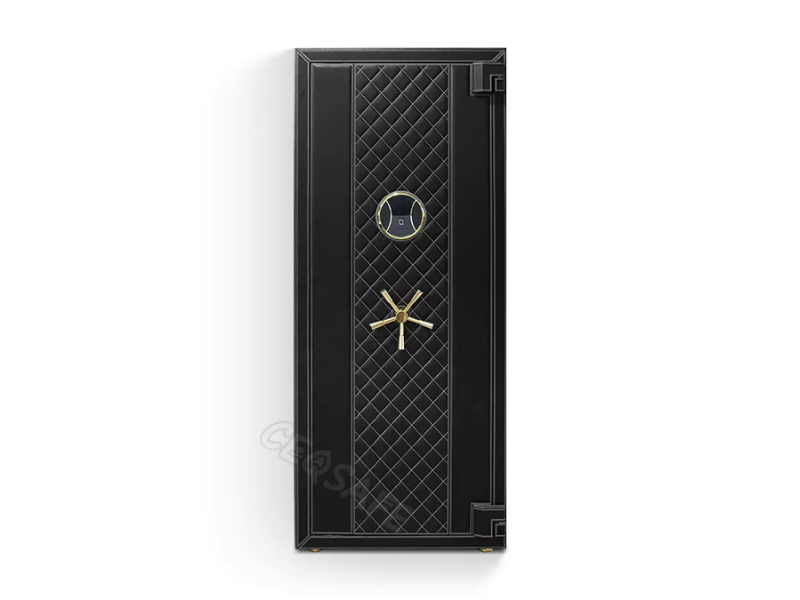
The Hidden Guardian Understanding Internal Locking Devices
What are internal locking devices? To put it another way, they are extra layers of security that are built into the door frame. When the door is closed, the door locking system behaves normally. However, if the external lock is breached, the door locking system will automatically switch into an inner locking system without the user having to do anything. What is the primary external lock? It is the first electronic or mechanical lock that is accessible from the outside. But, there is another lock hidden behind the door frame that is much tougher.
The most important internal protection system is the relocking system. A relocking device is a system that ejects additional bolts or locks to secure the door under scenarios where a primary lock is attacked. like a safety switch that is designed to be in a locked position. There is a glass or a tensioned wire that serve as an attack relay. When a burglar drills, thermally shocks, or blasts a primary lock, the relay glass will break, or the wire will release. This causes spring bolts that are already in the door frame to release, permanently locking the door from the inside. The best part of this system is that even if the invader successfully defeated an attack combination lock or a keypad, they will find an even more powerful lock that is not connected to the first. That makes the overall system more secure than what is visible or easily accessible to an intruder.
How Internal Locks Impenetrably Barricade
Internal locking mechanisms fundamentally have the power to create multi-layered defense systems. A vault door is no longer a singular problem to solve but a plethora of independent problems to solve sequentially. An intruder might be a master at breaking through electronic keypads or manipulating combination locks but the internal relocker is a completely different beast. It is a mechanical failsafe that functions on a different principle and requires different tools and more time and makes more noise and requires more effort to overcome.
This multi-layered approach focuses on the main advantage, time. Burglaries go from easy to time-consuming with every layer of security, but also with time the burglar is more exposed. To counter this, re-locks are internal vaults that are designed to take a very long time to drill through, with every second the burglar is more exposed to detection. Relocking mechanisms on vaults can force the burglar into a very time and resource draining process of either re-drilling bolts or cutting the door. These overly engineering time consuming vault structures are designed to take on a significant amount of high impact and high operational time work from a burglar, also done with very precise drill work. Ultimately, vaults are designed to take on a significant amount of work, while also forcing the burglar into a complex process that is very time consuming. These vaults are designed to withstand minimalist attacks while also giving the burglar a very complex door that uses a myriad of internal mechanisms to lock out the burglar and force them into a complex time consuming process.
Integration of New Technology
While mechanical relocking devices are the foundation of internal security, modern vault doors have incorporated advanced tech to make these systems even smarter and more reliable. Internal security isn't just about responding to an attack. It's about proactively preventing the attack, and, of course, documenting the attempt.
It is possible to integrate electronic access control systems with other systems seamlessly Now even integrating systems with 256-bit military grade encryption access codes that take more time to hack and. Additionally, systems provide data and audit trails that allow you to track each access attempt. This means that you can track who accessed the vault, when, and even if there were other attempts to manipulat the lock. This integration can be even be extended to the physical systems. High end vault doors can have a hydraulic system for easy opening and closing of the heavy door, but such systems integrate with the mechanical relockers perfectly. Mechanical internal devices, even during power outages, remain fully functional to retain security and not become electronic dependent. This mix of mechanical digital and engineering design to create overse sighted engineering closure to address fully both physical and digital threats.
Real World Use Advantages
Vault doors with internal locking mechanisms are not only useful in a bank, but their benefits can extend to a wide variety of applications. The added security and control over operations are useful across a variety of industries.
These doors protect not only cash but also sensitive data, valuable equipment, and intellectual property for commercial and industrial establishments. Vaults store valuables and offer business owners and managers peace of mind with their fail-safe internal locking devices. In the luxury estate and home security context, vault doors protect priceless artworks, heirlooms, important documents, and other valuables. Their presence and security may allow for lower insurance costs. The need for secure rooms emphasizes the necessity of vault doors. These doors are designed to protect against cutting, other explosives, and weapons of any sort, making them nearly impossible to forcibly breach. In an emergency, people inside would be completely safe. The internal locking device of vault doors means once a door is sealed, it will be safely closed for the duration of a security risk. For all seeking the highest protection of their valuables, these protective elements offer vault doors versatile security features, making them an excellent investment.
What to consider when selecting a doors
When thinking of doors to put entrance to your vault, a good strong door to is to have a good vault with a strong internal locking mechanism. Would be one of the impoertant features and is the one thing that will be your defense.
Consider the options available but first know the type of relocking system is in place. For the best protection, find a door that has a real mechanical relocking system like a glass plate or independent cable system that is not connected to the lock. It is acceptable to reach out to the manufacturers and ask them what standards the door has been tested to and what certifications the door has received. There are many standards that pertain to varying levels of security in storage unit lockers, and reputable suppliers should have no problem answering your questions to clarify what protection levels the lockers contain. Keep in mind the overall quality of the storage locker as well. A relocker will do its job best when it has a door that has been properly constructed using thick sheets of steel, reinforced bolts are used around the door, and the prongs of the door are set very deep into the frame, anti-tiered. The door frame and door leaf along with the hinge should keep the system a strong physical defense to along with the internal locking system. Keep in mind this is a complete security system not just a standalone door purchase. The internal lock is the primary line of defense and the strongest which allows the user to have complete peace of mind and security with the door.

