
 EN
EN

What to Expect from a Money Safe Box Made of Steel in Terms of Durability
Steel Construction and Material Quality in Money Safe Boxes
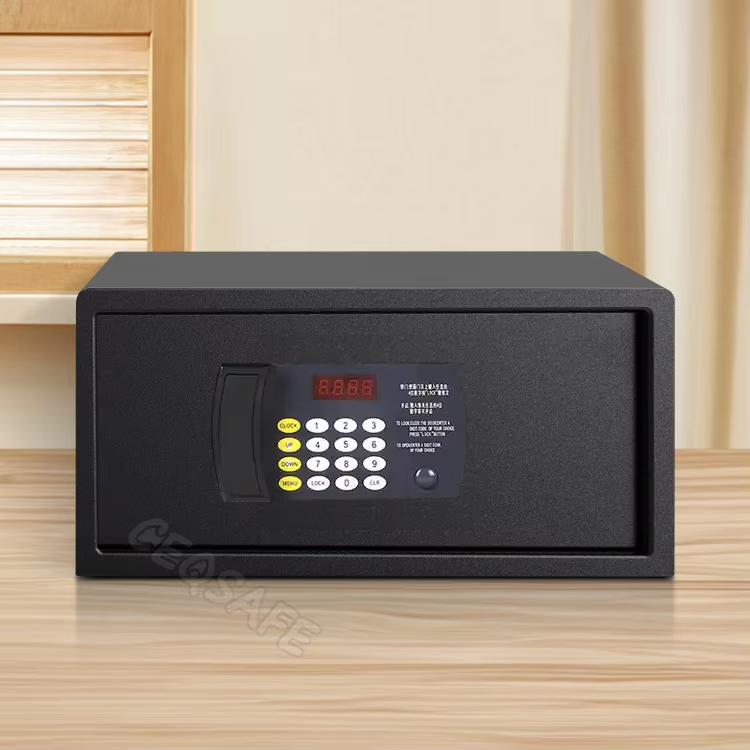
The Role of Steel in Money Safe Box Durability
When it comes to building money safe boxes, steel remains the go to material because it just plain holds up better against people trying to get in without permission. These safes can withstand all sorts of attacks from drill bits, bolt cutters, and other tools meant to force them open, and they stay solid for years on end. Most top quality manufacturers stick with either carbon steel in the 10 to 12 gauge range or opt for stainless steel when making models that need to resist rust, especially important if the safe will be placed somewhere damp or moist. According to research published last year by folks who know their way around secure storage solutions, safes constructed with special hardened steel blends actually cut down attempted break ins by about three quarters when compared side by side with cheaper aluminum options.
How Steel Strength and Thickness Impact Protection
The protection offered by steel really depends on two main factors: how strong it is when stretched (this is measured in something called megapascals) and how thick the material actually is. When looking at steel gauges, remember that smaller numbers mean thicker metal. For instance, a door made from 10 gauge steel (which is about 3.4 mm thick) can stand up against prying tools for roughly four times as long as one made from 14 gauge steel (only 1.9 mm thick). Some special types of steel, such as AR400 or ASTM A36 grades, go through heat treatment processes that give them impressive strength ratings between 500 and 700 MPa. This makes these steels particularly tough against common attack methods since they tend to wear down drill bits and cause cutting wheels to deform rather quickly during attempts at forced entry.
Types of Steel Used in Safes and Their Correlation with Longevity
| Steel Type | Durability Traits | Common Use Cases |
|---|---|---|
| Cold-rolled | Scratch-resistant, uniform density | Budget home safes |
| Boron-alloyed | 25% harder than standard steel | High-security vaults |
| Stainless (304) | Corrosion-proof, fire-retardant | Coastal or commercial use |
Material Construction Beyond Basic Steel: Composites and Reinforcements
Modern safes for storing cash often mix steel with materials like ceramic fireboard or concrete infused with graphene to stand up against all sorts of dangers. Putting copper or aluminum plates between layers of steel helps stop those heat cutting tools called thermal lances. The concrete inside takes a lot of punishment when someone tries to smash it open with a sledgehammer. Most top vault makers have started using these mixed material designs because they need to pass those tough UL Class TRTL-60x6 tests. These safes can actually hold out for a full hour against torches, drills, and grinders trying to get through them. That kind of protection makes sense for anyone serious about keeping their valuables safe from determined thieves.
Wall Thickness (Gauge) and Physical Attack Resistance
Steel Thickness and Gauge Measurements Explained
Steel thickness decreases as gauge numbers increase—lower gauges mean thicker, more resilient material. Most commercial safes use 10–12 gauge steel (3.42 mm to 2.66 mm), while high-security units feature 7-gauge (4.55 mm) or thicker steel. A 10-gauge door offers 37% greater drilling resistance than a 12-gauge counterpart, according to standardized penetration tests.
| Gauge | Thickness (mm) | Common Use Case |
|---|---|---|
| 10 | 3.42 | Premium residential safes |
| 12 | 2.66 | Budget commercial units |
| 7 | 4.55 | High-security containers |
Material Thickness and Resistance to Drilling, Cutting, and Impact
Thicker steel significantly increases time-to-breach:
- Drilling: Carbide-tipped drills require over 12 minutes to penetrate 4 mm steel (vs. 2 minutes for 2 mm)
- Cutting: Angle grinders take 8 minutes to cut through 6 mm steel plates (Industrial Safety Journal 2023)
- Impact: 10-gauge doors endure 30+ sledgehammer blows without deformation
Safes with over 6 mm steel thickness cause 83% of burglars to abandon attacks (ISJ 2023), underscoring material density as the primary deterrent against physical breaches.
Fire and Burglary Resistance: Balancing Safety Standards
Balancing Steel Strength and Fire Protection in Safe Design
Steel offers good protection against burglars, though when it comes to fire safety, we need those insulating materials such as gypsum board or ceramic wool built into the steel walls. The way these layers work together helps keep things cool inside during a fire, staying under around 350 degrees Fahrenheit which is pretty important if someone wants to save their paperwork or protect digital storage devices according to research from Ponemon back in 2023. But there's a catch here too many insulating materials can actually make the whole thing weaker structurally speaking. That's why most high quality commercial safes go for something like three to four inches thick walls made with steel on the outside and some kind of fire resistant core material in between.
UL Ratings for Safes: Decoding TL-15, TL-30, and Beyond
Underwriters Laboratories (UL) certifications offer measurable benchmarks for safe performance. The TL (Tool-Resistant) series evaluates burglary resistance:
| UL Rating | Attack Resistance Threshold | Steel Door Thickness |
|---|---|---|
| TL-15 | 15 minutes with hand tools | 1′ (25.4 mm) minimum |
| TL-30 | 30 minutes with power tools | 1.5′ (38.1 mm) minimum |
When it comes to fire protection, safes with UL Class 350 ratings can typically hold up for around 1 to 2 hours even when exposed to extreme temperatures of about 1700 degrees Fahrenheit (that's roughly 927 degrees Celsius). Many businesses now prefer dual-rated safes that meet both TL and UL Class requirements. According to recent data from Security Standards Alliance in their 2023 report, nearly seven out of ten financial institutions have made the switch to these combined rating systems for better asset protection. If someone wants to compare all these different safety standards side by side, there's a comprehensive guide available through international security organizations. And remember to always check those certification stickers either directly on the safe itself or within any accompanying paperwork before making a purchase decision.
Security Components and Real-World Performance of Steel Safes
Critical Components: Body, Door, Lock, and Bolt Mechanisms
When it comes to securing valuables, steel money safe boxes depend on several important features for protection. First off, they need a body made from solid steel without seams that could be exploited. Most models use around 11 to 14 gauge steel for the main body, which makes them pretty tough against anyone trying to pry them open. Doors are usually constructed with multiple layers of steel plus some fire resistant materials mixed in for extra protection. What really stops intruders though? The bolts. When engaged, these bolts stick out about an inch into the frame creating what amounts to a wall of resistance against forceful attempts to get inside. According to research from Safe Security Institute published last year, this combination of features creates a formidable defense system for home and business owners alike.
How Construction Materials Influence Overall Security Levels
Material quality directly affects attack resistance:
- Cold-rolled steel (HRC 45–50) outperforms mild steel in drilling resistance
- Boron-reinforced door seams withstand cutting tools 63% longer in tests
- Ceramic-steel composites delay thermal attacks by an average of 22 minutes
Design follows a "defense-in-depth" strategy, emphasizing enhanced thickness at critical stress points like hinges and lock chambers.
Burglary Protection in Practice: Case Studies and Attack Resilience
Most people trying to break into TL-15 rated safes give up within about 10 minutes because the steel just won't budge against drills or grinders. A real world test actually found that a door with 1.5 inches of steel could take 47 straight hits from an angle grinder before even starting to show damage. That's pretty impressive when compared to older models with thinner 12-gauge steel which only lasted around 33 strikes according to the latest safety report from 2023. Manufacturers have taken notice of this data and now build safes with uneven steel layers throughout different parts of the unit. This approach makes it much harder for thieves who rely on predictable attack methods since they never know where the strongest sections might be located.
FAQ Section
Why is steel preferred for building money safe boxes?
Steel is preferred because of its durability and ability to withstand attacks from tools like drills and bolt cutters, ensuring long-term security.
What factors influence steel's protection in safes?
The key factors are the strength of the steel measured in megapascals and the thickness of the material, with thicker metal providing better protection.
What are the benefits of using composite materials in safes?
Composite materials enhance the strength and resilience of safes, providing resistance against various attack methods and improving their overall durability.

