
 EN
EN

How to Choose a Suitable Safe
Define Your Protection Needs: Purpose, Use Case, and Valuables
Matching safe type to primary threat—fire, theft, or both
Figuring out if fire, theft, or both represent the biggest danger to valuable possessions starts with understanding what kind of stuff needs protecting. Fire resistant safes work best for things like important papers because they keep heat away from contents inside. Burglary proof models are built differently though, focusing on stopping intruders through thick steel walls and complicated locks that stop people from breaking in. Some companies make safes that do both jobs at once for maximum security. The numbers matter too: standard fire rated boxes can handle temperatures around 1700 degrees Fahrenheit for about two hours straight according to tests done by Underwriters Laboratories (UL 350). On the other hand, those marked as meeting UL TL-15 standards should hold off basic tools used during break-ins for approximately fifteen minutes. Most folks pick whichever option matches their main concern, but nobody wants to lose something priceless just because they saved money on safety equipment. When it comes down to family heirlooms or legal documents nobody else has copies of, spending extra on combined protection isn't really wasteful after all.
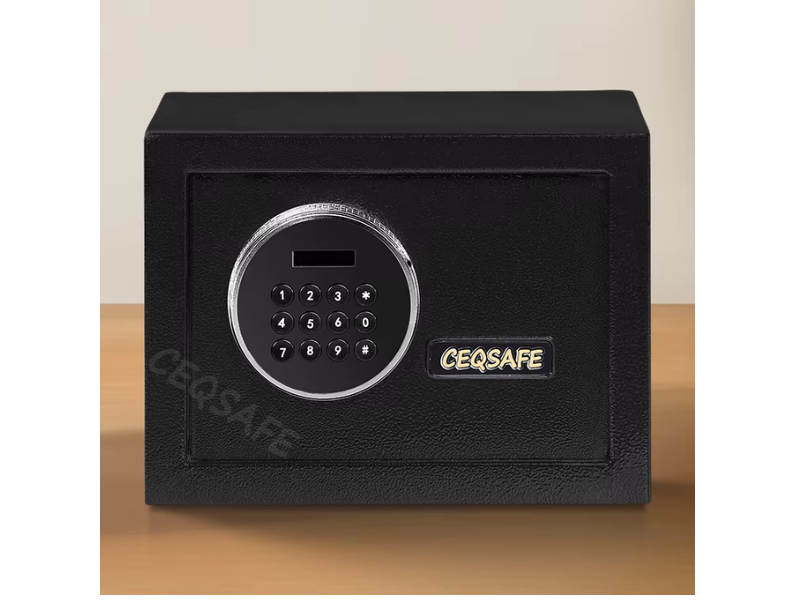
Home vs. small business use cases: documents, cash, firearms, jewelry, and digital media
Most families keep important stuff like birth certs, old family treasures, and guns in their safes. They usually go for smaller models that let them grab what they need fast, plus some fire protection too. On the other hand, small business owners have different needs altogether. They need to store daily cash deposits safely, along with all those legal papers and digital files. The humidity thing matters a lot here because wet air can really mess up computer drives over time. Gun owners should know about the lock requirements too. Some places like California want specific DOJ approved locks inside safes for firearms. And don't forget about jewelry collectors who appreciate soft velvet lined sections so their precious items don't get scratched or damaged sitting around.
| Use Case | Priority Items | Special Requirements |
|---|---|---|
| Home | Documents, firearms, heirlooms | Quick-access, fire resistance |
| Small Business | Cash, digital media, contracts | Deposit slots, humidity control |
Compare Safe Types and Security Categories
Residential Safes: Fire-Rated, Burglary-Rated, and Hybrid Models
Getting the right kind of safe at home really depends on what kind of dangers we're actually trying to guard against. Fire rated safes typically have stuff like ceramic or gypsum insulation inside them, and they come with UL 350 certification which means they can keep papers safe when temperatures go above 350 degrees Fahrenheit for around one to two hours. On the other hand, burglary rated models tend to be built with thicker steel plates between 10 and 12 gauge thick, plus features such as anti pry bolts and relocker mechanisms. These often get ratings like TL-15 or TL-30 from Underwriters Laboratories. There are also hybrid options available that combine protection against both fire damage and theft, so these work best for people who need to store things like emergency cash, property documents, or family treasures where losing anything could cause serious problems. For renters or folks dealing with just one particular security concern, going for a specialized unit might actually save money in the long run instead of paying extra for unnecessary features.
Specialized Safes—Gun Safes, Data Safes, Deposit Safes, and Portable Options
Specialized safes solve specific vulnerabilities conventional models don’t address:
- Gun safes feature biometric or electronic locks for rapid access and include internal locking mechanisms compliant with state firearm storage laws
- Data safes maintain internal temperatures below 125°F and relative humidity under 85%—key for preserving backup drives and archival media
- Deposit safes incorporate drop slots that allow cash or checks to be secured without opening the main compartment
- Portable safes use integrated cable anchors for temporary, on-the-go security—ideal for realtors, vendors, or field staff handling daily proceeds
Small businesses commonly deploy deposit safes for end-of-day cash handling and data safes for client backups or regulatory documentation. Each category fills a distinct security gap—making them complementary rather than interchangeable with standard residential safes.
Assess Fire and Burglary Protection with Verified Ratings
Understanding UL and ETL certifications for fire resistance
To know if a safe can really withstand fire, it needs proper certification from independent testing organizations. UL and ETL are basically the only ones everyone trusts in this field. Take UL Class 350 for instance, which is what most people get when storing documents. These safes keep inside temps under 350 degrees Fahrenheit during those standard furnace tests that run for either 30, 60 or even 120 minutes. That matters because regular paper starts catching fire around 451 degrees. For things like computers or sensitive electronics, there's also UL Class 150 and 125 ratings that give better protection against heat damage. Although ETL does similar testing, most professionals still go with UL when dealing with insurance companies or writing specs for clients. Be wary of any product labeled "fireproof" unless it has actual third party testing behind it. Fires behave differently in reality compared to lab conditions, so going with certified equipment gives peace of mind knowing exactly what level of protection to expect.
Burglary ratings explained
Burglary resistance is measured through UL’s tool-resistance tests, which simulate professional attack methods:
| Rating | Attack Duration | Protection Level | Typical Use |
|---|---|---|---|
| TL-15 | 15 minutes | Hand tools (wrenches, drills) | Residential valuables |
| TL-30 | 30 minutes | Power tools (grinders, drills) | Jewelry, cash, small business assets |
| TRTL-30 | 30 minutes | Torches + power tools | High-risk commercial settings |
These ratings reflect minimum resistance times—not guarantees—and assume skilled attackers using calibrated equipment. TL-15 safes typically feature 10-gauge doors and basic relocking systems; TRTL-30 units add torch-resistant alloys and multi-layered hardplates. Insurance providers often require TL-30 or higher for commercial cash coverage.
Evaluate Locking Systems and Physical Construction
Electronic, biometric, mechanical, and dual-lock systems: reliability and usability trade-offs
The right lock makes all the difference when it comes to keeping things secure while still being easy to use every day. Electronic keypads are great for quick access and programming options, but they come with their own headaches. Batteries die eventually, and these devices often struggle in really hot or cold conditions, which is why they're generally not recommended for fire rated safes where the internal components might break down over time. Biometric scanners give fast entry without needing any keys at all, but they sometimes have trouble reading prints that are damp, greasy, or just worn out from age, plus they typically cost around 30% more than other options. Mechanical dials still stand out as the most dependable choice overall since there's nothing electronic to go wrong nothing to program and absolutely zero chance of getting locked out unexpectedly. The downside? They take longer to open during emergencies. For places where absolute security matters most, dual lock systems combining something like a keypad with an old fashioned key provide extra protection against failures. Just remember that more components usually mean more possible points of failure too. When choosing what works best, think about where the safe will actually be used. Mechanical locks work well for storing important papers that need protection from fires, biometrics make sense near bedsides for quick access to firearms, and those fancy dual systems belong in big commercial vaults where nothing can afford to fail.
Critical build features—steel gauge, door bolts, hardplate protection, and anti-drill design
Physical construction determines how long a safe resists brute-force attacks:
- Steel gauge: Lower numbers = thicker steel (e.g., 10-gauge outperforms 12-gauge against prying)
- Door bolts: Multi-point systems with 1" thick, hardened steel bolts increase pry resistance exponentially
- Hardplate protection: Tempered alloy plates around the lock mechanism defeat drill bits in over 85% of attempted penetrations
- Anti-drill design: Ceramic or carbide composites embedded in the lock chamber shatter standard drill bits on contact
Commercial-grade units go further—using continuous welds, 50,000 PSI tensile steel, and anchored mounting systems that extend forced-entry time by up to 400% versus typical residential models. Always bolt your safe to floor or wall anchoring: nearly 30% of stolen safes are carried away intact.

