
 EN
EN

Where Are Small Safes Suitable for Concealment?
Room-Specific Concealment Strategies for a Small Safe
Bedroom and Living Area: High-Accessibility Hiding Spots with Low Visibility
When thinking about where to hide things, focus on spots that are both convenient to reach and naturally hidden from view in places people go often. Bedrooms work well for this kind of thing. Think about those corners inside closets that nobody really notices, the space underneath beds where dust collects, or even furniture legs that have been modified to create secret storage areas. These spots let folks grab what they need fast without disrupting normal life patterns. For living rooms and other common areas, there are plenty of good hiding places too. Behind televisions in entertainment centers is one possibility. Some people get creative with ottomans that look normal but actually have a false bottom when lifted. Decorative boxes that feel heavy can double as storage containers. Bookshelves are great because most people don't check every single spot between books unless something seems off balance.
Avoid predictable locations like top drawers in master bedrooms. Instead, place your small safe where frequent activity deflects suspicion—a hallway linen closet or children’s toy chest often proves more discreet than isolated spots. Ensure placements don’t compromise structural integrity or create visible bulges in furnishings.
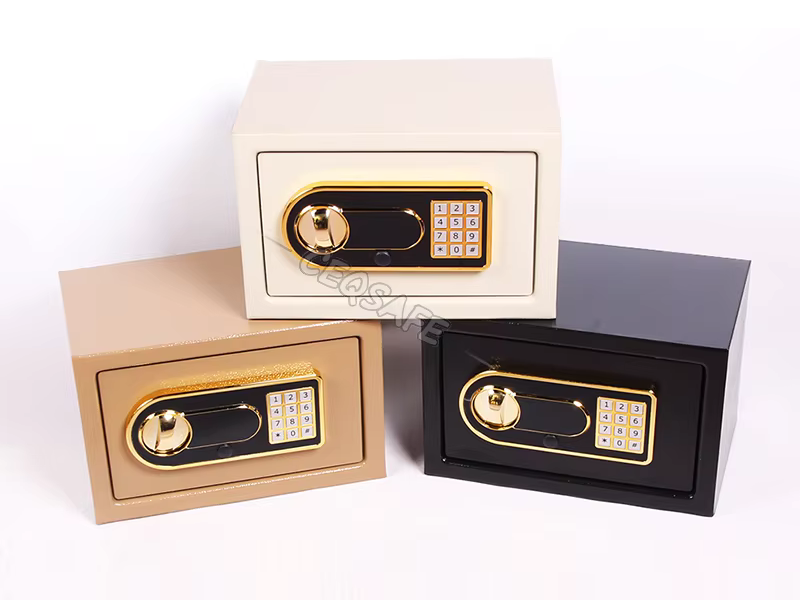
Office and Rental-Friendly Options: Non-Permanent, Lease-Compliant Small Safe Placement
Renters or folks setting things up temporarily should stick to solutions that can be removed without damaging walls or floors. Take old furniture and give it new life with magnetic drawer organizers, pull-out storage under baseboards, or fake back panels for cabinets that fit right in place. There are these portable hiding spots too that look just like regular stuff around the office - think janitorial supplies bins or those neat little stacks of paper files people keep everywhere. Just slap them down somewhere using strong glue instead of drilling holes which keeps landlords happy. When working in shared spaces where everyone comes and goes, tuck away valuables inside things nobody would question looking at like printer stands or those plastic boxes that hold all the tangled cables. And remember to check how much weight each spot can handle plus make sure whatever surface works well together before sticking anything permanently in place.
Structural Integration: Embedding a Small Safe into Walls, Floors, and Built-Ins
Wall-Mounted Small Safes Behind Art, Mirrors, or Shelving: Cavity Sizing and Load Considerations
Hiding a small safe between wall studs behind pictures or mirrors keeps it well hidden yet still easy to get to when needed. Start looking for walls that aren't holding up the house with a stud finder tool first. Make sure there's enough space between the studs too, around 16 inches works for most smaller safes. Regular drywall can hold about 50 pounds before getting damaged, though brick or concrete walls are much better for bigger safes. If the safe weighs over 30 pounds, definitely the spots where it attaches to the wall with metal brackets fastened right into the studs themselves. Don't forget to check how deep the safe is compared to the wall thickness either, because if part of it sticks out, people might notice it and the extra weight could damage nearby parts of the wall. Getting someone who knows what they're doing to install the safe makes sense especially if dealing with fireproof walls or areas where wires and pipes run through the walls behind the surface.
Under-Floor and False-Wall Installations: Assessing DIY Feasibility and Structural Safety
Hiding a compact safe under floorboards needs some serious thinking about the strength of the floor joists and what kind of material lies underneath. When dealing with wood floors, it's best to position the safe so it sits directly over the joists, which are usually around 16 inches apart. This helps spread out the weight properly. Stay away from spots where the floor feels bouncy when stepped on. With concrete floors, things get trickier because drilling through requires avoiding those pesky steel bars inside. After making holes, seal any gaps with epoxy to keep water out. People who try installing safes themselves often run into problems when they miscalculate how much weight their floor can handle. Even something as light as a 100 pound safe might need extra support in certain situations to stop the floor from drooping or breaking altogether. Some folks prefer false walls instead since they offer more options for placement, though these walls need to be built with materials that resist fire, such as Type X drywall. Before making any cuts or changes to structural parts of a home, check what the local building regulations say first. Messing with structural components incorrectly could not only cancel warranties but also make buildings more vulnerable during earthquakes.
Furniture and Object-Based Concealment for a Small Safe
Integrated Furniture Solutions: Drawers, Beds, Cabinets, and Couches Optimized for Small Safe Fit
When it comes to custom furniture tweaks, people often want something that protects stuff but still works normally. Take those false bottom drawers we put in nightstands or office desks. They look just like regular storage spaces but hide things underneath. Same goes for bed frames where we reinforce the space under the mattress. These give good vertical hiding spots without making the bed uncomfortable or wobbly. Living room options include adding sliding panels behind picture frames on shelves, using hollow spaces inside couch armrests or underneath the frame itself, or building secret compartments behind TVs and other gear in entertainment centers. Most of these setups keep all the normal functions intact and can hold around 50 pounds worth of stuff as long as someone checks how strong the furniture actually is before putting anything heavy in there.
Diversion Safes: Everyday Objects (Books, Clocks, Cans) as Discreet Small Safe Alternatives
Everyday stuff around the house can become secret storage spots by using tricks that fool the eye. Books with hollow centers look right at home on bookshelves next to other reading material and let people grab whatever they need quickly. Those cans in the pantry? They twist open from the bottom just like regular ones do, so nobody thinks twice about them. There are plenty of other clever ideas too. Clocks that double as safe boxes with secret back panels work great. Some folks even hide valuables inside fake bottles of cleaning supplies mixed in with the real stuff. And there are wall outlets that look exactly like the real thing but have front covers that pop off when needed. Most of these hiding places aren't built for heavy stuff over a pound and won't protect against fire damage either. But they still work wonders. Studies indicate that most burglars only spend about seven or eight minutes looking through a house before giving up, which means simple visual tricks can really throw them off track.
Security vs. Practicality: Choosing the Right Concealment Method for Your Small Safe
Finding the best place to hide a small safe involves walking a fine line between keeping it secure and still being able to get to it when needed. Installing something inside walls or under floors gives really good protection against thieves wanting to steal it, but these options mean making changes that can't easily be undone and might take time to reach in an emergency situation. On the other hand, hiding safes within furniture pieces works better for people who rent their homes or live in places where things change often. Modified drawers or cleverly disguised containers let folks grab what they need quicker, although anyone serious about finding hidden valuables will probably spot them eventually if they look hard enough.
Consider these key factors when deciding:
- Item value: High-worth or irreplaceable items justify structural solutions
- Access frequency: Daily-use valuables benefit from quick-retrieval methods
- Living constraints: Renters should prioritize non-permanent, lease-compliant options
- Time sensitivity: Medical supplies or personal defense tools require sub-5-second access
Research indicates that poorly balanced concealment increases vulnerability by 60%—either through infrequent security audits or delayed emergency response. Prioritize methods aligned with your specific risk profile, lifestyle, and long-term living situation.

