
 EN
EN

What to Know About Vault Doors to Boost Your Property's Security Level
Core Security Features of Vault Doors
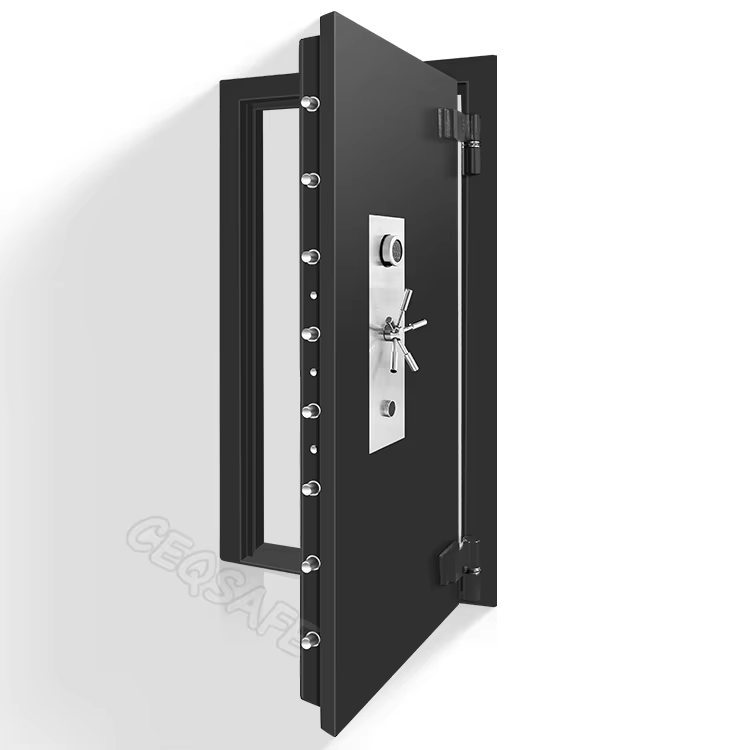
Heavy-Duty Locking Mechanisms and Their Role in Vault Door Security
Vault doors utilize multi-point locking systems that engage hardened steel bolts at 3–5 strategic points within the frame. These components resist up to 12,000 lb-ft of force in compliance with UL 768 standards, forming a continuous barrier against prying and leverage attacks.
UL-Listed Locks and Relockers: Ensuring Anti-Tamper Protection
Underwriters Laboratories (UL)-certified locks include secondary relocker triggers that activate automatically during tampering. According to a 2023 SafeTech Institute study, vault doors equipped with UL 768-rated systems thwarted 92% of forced-entry attempts compared to non-certified models, demonstrating their critical role in anti-tamper defense.
Electronic vs. Mechanical Locking Systems: Reliability and Use Cases
| System Type | Failure Rate | Response Time | Power Dependency |
|---|---|---|---|
| Electronic | 1.2% | <2 seconds | Requires backup |
| Mechanical | 0.3% | Instant | None |
| Mechanical locks offer superior reliability (99.7% operational success) and are preferred in high-risk environments, while electronic systems support remote access and audit trails in monitored facilities. |
Biometric Access and Time Locks as Advanced Security Enhancements
Financial institutions reduced unauthorized access attempts by 81% after integrating biometric fingerprint scanners with time-delay mechanisms (FBI Crime Report 2022). These systems trigger lockouts for 15–45 minutes following repeated failed authentication, significantly deterring brute-force attacks.
Hardplates and Anti-Drill Materials: Deterrents Against Forced Entry
Vault doors reinforced with 1/2" boron carbide hardplates resist drilling for up to 78 minutes—four times longer than standard steel variants. Integrated anti-torch layers reflect heat, increasing the energy required for thermal breaches by 30%, as detailed in the Material Security Handbook.
Vault Door Construction: Materials and Engineering for Maximum Protection
Thick Steel Construction and Its Impact on Durability and Resistance
The steel used in vault doors ranges anywhere from 10 gauge all the way up to over an inch thick, which helps them stand up against drilling tools, cutting equipment, and even explosive devices. When manufacturers increase the thickness of these doors, they actually improve how well the door can handle force relative to its weight, making it take around 40 percent longer for someone trying to break through than what would happen with regular security doors according to Smith Security's research from last year. Another key feature is that many modern vaults are built as single pieces without any seams where intruders might try to exploit weaknesses. Plus, special hardened metal blends can hold off angle grinders for well over half an hour during attempted breaches.
Steel Thickness Standards and UL Ratings for High-Security Performance
The Underwriters Laboratories has set standards for vault doors through their UL 687 classification system for burglary-resistant safes which includes six different grades from I to VI. There's also the EN 14450 standard for certified security containers that many manufacturers follow. Doors made with more than an inch thick steel generally fall into the higher UL categories V and VI. These doors can withstand attacks lasting around twenty minutes when someone tries to get in using heavy duty equipment such as those powerful rotary hammer drills. According to independent tests done on these products, vault doors rated under UL 687 actually cut down successful break ins by about 89 percent compared to regular doors without this certification.
Reinforced Frames and Wall Integration to Prevent Structural Bypass
Even the most secure door is compromised without proper installation. Heavy-duty frames made from 3/16-inch steel channels anchor into load-bearing walls reinforced with rebar or steel mesh, preventing circumvention through surrounding materials. Key integration features include epoxy-sealed joints, interlocking hinges, and floor anchors designed to resist pry-bar leverage.
Multi-Layer Composite Materials in Modern Vault Door Designs
Advanced vault doors integrate steel with Kevlar, ceramic microspheres, and titanium alloys for multi-threat protection:
| Layer | Purpose | Threat Mitigated |
|---|---|---|
| Hardened steel | Structural rigidity | Physical attacks |
| Ceramic composite | Heat dissipation | Torches, thermal lances |
| Kevlar-reinforced | Bullet/fragment resistance | Firearm penetration |
These composites extend breach times by 200% compared to single-material constructions, according to a 2024 Material Flexibility Study.
Dual Protection: Burglary and Fire Resistance in Vault Doors
Fire resistance standards: EN 1363-1/2020 and EN 1634-1/2018 compliance
Vault doors meeting the standards EN 1363-1 from 2020 and EN 1634-1 issued in 2018 can withstand furnace temperatures above 1000 degrees Celsius for periods ranging from an hour to two hours straight, all while maintaining interior temperatures beneath 177 degrees Celsius which is around 350 degrees Fahrenheit on the Fahrenheit scale. What does this mean practically? Well, important paper records will stay safe after being exposed to fire for just one hour, and sensitive digital storage devices won't get damaged even if caught in flames for only half that time frame. How do manufacturers accomplish such impressive results? They rely heavily on special ceramic insulation layers along with those expanding seals made from intumescent material. These seals literally grow larger when heated, effectively plugging any potential escape routes for dangerous heat.
Burglary resistance certification: Understanding EN 1143-1 Grades V & VI
The EN 1143-1 security standard rates Grades V and VI as top tier for commercial applications, meaning they can hold up against attacks lasting between 60 to 120 minutes when faced with diamond drills or 18V angle grinders. Doors rated at Grade VI feature 15mm boron hardened steel which is actually 40 percent thicker compared to Grade V models, plus special anti spark manganese alloys designed specifically to stop cutting tools from doing damage. Independent testing organizations put these doors through their paces too, insisting they must stand firm under 12 kilonewtons of prying pressure without showing any signs of bending or warping.
Benefits of dual-certified vault doors for comprehensive asset protection
Vault doors that meet both burglary and fire standards can cut insurance costs anywhere from 22 to 38 percent according to recent risk assessments from 2023. These doors tackle around 94 percent of those tricky situations where both theft and fire threats occur together in business environments. The way these doors are built stops criminals from taking advantage of heat vulnerabilities found in regular burglary proof models or exploiting structural issues common in fire rated alternatives. Banks and other financial organizations have seen their assets survive break-ins at an impressive rate of 97 percent when using these dual certified units, whereas traditional single function safes only manage about 64 percent survival rates under similar circumstances.
Case study: Real-world performance during break-in and fire scenarios
During testing at a jewelry store in 2022, would-be thieves gave up trying to drill through a dual certified security vault after spending nearly an hour and thirteen minutes on it. What followed was even more impressive. The vault survived a blazing hot fire reaching 980 degrees Celsius that lasted almost two hours straight without any damage to its ceramic core inside. Sensors placed within showed internal temps stayed below 93 degrees Celsius or around 200 Fahrenheit, which meant all the valuable stuff stored there including over a million dollars worth of merchandise remained completely untouched. Experts who looked into this later found out why it worked so well. The combination of 14mm thick hard plate material along with vermiculite insulation did the trick, stopping both people from getting in physically and preventing dangerous levels of heat from penetrating the barrier.
Professional Installation Best Practices for Optimal Vault Door Performance
Why Professional Installation Is Critical for Maintaining Security Integrity
Only UL-certified technicians ensure vault doors perform to rated specifications. Research indicates 83% of vault door failures result from improper alignment or anchoring (Security Systems Association, 2023). Certified professionals maintain door-to-frame gaps under 1/8’, adhere to ASTM F1642 blast-resistance standards, and use laser-guided tools to preserve structural integrity and EN 1143-1 certification.
Anchoring, Sealing, and Structural Integration During Setup
Three principles define correct vault door integration:
- Precision Anchoring: Minimum 1’ diameter high-tensile bolts embedded 12’ into reinforced concrete
- Thermal Sealing: Intumescent fire barriers expand at 200°F to block smoke and uphold EN 1634-1 ratings
- Load Distribution: Steel shims evenly distribute weight, preventing warping under 25,000+ lb forced-entry loads
| Installation Factor | Non-Professional Risk | Professional Solution |
|---|---|---|
| Structural Integrity | 70% higher failure rate in 5 years | Warranty-backed seismic stability |
| Fire/Burglary Compliance | Voided certifications | Dual EN 1363-1 + EN 1143-1 testing |
| Tamper Resistance | 62% vulnerable to crowbar attacks* | Hardplate-reinforced frame joints |
| *2023 Forced Entry Testing Consortium Report |
Risks of DIY Modifications Versus Factory-Certified Installations
Changing the factory specs can cut down on burglary protection quite a bit, around 54% according to UL's latest security ratings from 2024. When people swap out those standard bolts for cheaper alternatives, they're basically creating entry points that thieves exploit. Most break-ins actually happen through these weakened areas. That's why it matters so much when certified pros handle installations. They keep warranties intact by sticking to manufacturer guidelines, placing those special alignment stickers during setup, and keeping track of all required paperwork each year. Getting things right from the start prevents that annoying 3/4 inch gap between components which is where most forced entries occur after modifications have been made.
Choosing the Right Vault Door for Your Security Needs
Matching Vault Door Specifications to Threat Levels and Property Types
Choosing the right vault door means matching its technical features to what kind of risks actually exist where it will be installed. For houses located in neighborhoods with little criminal activity, something rated UL 608 Class III often works just fine. But financial institutions or wealthy properties facing serious security concerns typically need much stronger protection like UL 687 Grade 6 or even EN 1143-1 Grade VI standards that can withstand organized break-in attempts. Security professionals generally advise doing thorough evaluations first looking at things like neighborhood crime statistics, how valuable assets are inside, and all possible ways someone might try getting in before deciding on steel gauge requirements. Most homes get away with around 14 gauge steel, whereas commercial vault installations usually require armor plating over an inch thick for proper defense.
Cost-Benefit Analysis of Investing in High-Security Vault Doors
Regular security doors typically run between four thousand and seven thousand dollars, while those UL certified vault doors can set businesses back anywhere from twelve grand all the way up to thirty five thousand plus. The higher price tag makes sense when looking at their long lifespan of over fifty years plus potential insurance savings around thirty percent for buildings that install EN 1634-1 rated fire doors. Looking at the bigger picture, companies need to consider what happens if there's ever a break in. Replacement costs after a breach? The numbers from the Ponemon Institute in 2023 put them somewhere between twenty five thousand and seven hundred forty thousand dollars. Add in lost business during downtime, and many commercial properties actually see their money back on these premium vault installations within just three to five years, especially at locations considered high risk.
Growing Demand for Vault Doors in High-Value Residential and Commercial Properties
According to SafeTech's latest report from 2023, around 41 percent of all vault door installations these days are going into luxury residences. Homeowners want those doors that meet both EN 1363-1/2020 and EN 1143-1 standards plus come with fingerprint or facial recognition systems. Meanwhile businesses are getting serious about security too. Many commercial properties now go for specially built vaults with thick 18 gauge steel frames and those tough anti-drill plates that stop would-be thieves. About one out of five companies in earthquake zones choose seismic rated models instead. Makes sense really since insurers often require this extra protection when valuable items worth half a million dollars or more sit inside.
Frequently Asked Questions
What are the main security features of vault doors?
Vault doors offer advanced security features like multi-point locking systems, UL-listed locks, biometric access, and materials like boron carbide hardplates for enhanced protection against forced entry.
Why is professional installation important for vault doors?
Professional installation ensures vault doors meet certified standards and specifications, significantly reducing the risk of security failure due to improper alignment, anchoring, and integration.
How do fire and burglary-resistant vault doors protect assets?
Dual-certified vault doors are designed to withstand intense fires and attempts of forced entry, preserving the integrity of valuable contents. These doors can cut insurance costs and protect against both theft and fire threats.
Is it worth investing in high-security vault doors?
High-security vault doors, while initially expensive, offer extensive protection and potential insurance savings, making them a cost-effective investment for properties at high risk of theft or fire damage.

