
 EN
EN

Անվտանգության սարքերի փականների արգելակման ֆունկցիա
Ժամանակակից ապահովարաններից սկսած՝ սեփականատերերը երբեք չեն մտածում այն մասին, թե ինչպես է աշխատում ապահովարանը, սակայն կան որոշ ներդրված հատկանիշներ, որոնք իրոք կարևոր դեր են խաղում արժեքավոր իրերի պաշտպանության գործում: Շատերը մտածում են ապահովարանի հաստ, երկաթբետոնե դռան անթարթելիության, վերջին սերնդի «կտրուկ փակվող» կողպեքների և այլ արժեքավոր իրերի ապահովվածության մասին, սակայն շատ ավելի պարզ հատկանիշներն էլ իրոք հիասքանչ աշխատանք են կատարում արժեքավոր իրերի պաշտպանության գործում: Դրանցից մեկը ժամանակային հետաձգման ֆունկցիան է: Այն, ինչ կանխում է գողին պարզապես պահել խանութի աշխատակցին որպես առեւանգված և բացել ապահովարանը, ժամանակային հետաձգման ֆունկցիան է: Ժամանակային հետաձգման ֆունկցիան պարզապես հետաձգում է ապահովարանի բացումը: Այդ լրացուցիչ ժամանակը հենց տարբերությունն է գողության և հաջողված ապահովարանի բացման միջև: Ժամանակային հետաձգման ֆունկցիաները ամենաքիչ հետաքրքիր, սակայն ամենաարդյունավետ տնային և առևտրային գողությունների կանխարգելման միջոցներն են:
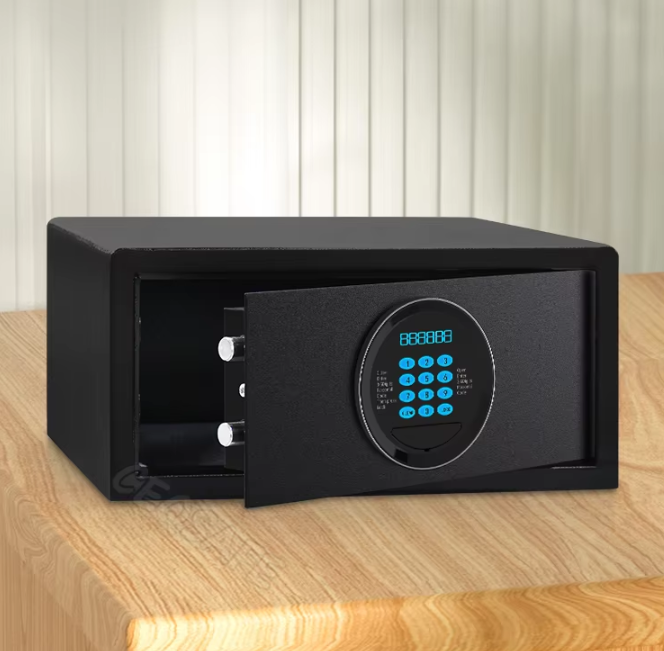
Ինչպես է աշխատում ժամանակային հետաձգումը
Դանդաղեցման ֆունկցիաների մեխանիզմը խաբուսիկ պարզ է: Երբ օգտատերը վավեր կոդ է մուտքագրում անվտանգության փականատուփի ստեղնաշարի վրա, փականը անմիջապես չի վերացնում կողպեքները: Այն սկսում է հակառակ հաշվարկը: Կախված փականի մոդելից և օգտատիրոջ անվտանգության պահանջներից՝ այս դանդաղեցումը կարող է կարգավորվել մեկից մինչև իննսունինը րոպե ընկած ժամանակահատվածում: Այս ընթացքում անվտանգության տուփը մնում է փակված, և գործընթացը արագացնելու որևէ բան չի կարելի անել: Ստեղնաշարը սովորաբար տրամադրում է որևէ տեսակի դանդաղեցման ցուցիչ: Կարմիր LED-ը կարող է մեկ անգամ մեկ տասնվայրկյան մեջ միանալ կամ էկրանի վրա կարող է ցուցադրվել հակառակ հաշվարկվող րոպեները: Երբ դանդաղեցման ժամանակահատվածն ավարտվում է, փականը մտնում է «բացելու» կամ «հաստատման» պատուհանի մեջ: Այս ժամանակահատվածը տևում է մեկից մինչև ինը րոպե, և հենց այս ընթացքում է օգտատերը պետք է կրկին մուտքագրի կոդը՝ անվտանգության տուփը բացելու համար: Եթե օգտատերը չի կատարում սա մինչև պատուհանի փակվելը, ամբողջ գործընթացը վերագործարկվում է, և դանդաղեցումը սկսվում է սկզբից: Սա կարող է թվալ անհարմար, հատկապես եթե օգտատերը հաճախ է անվտանգության տուփին մուտք գործում, սակայն հենց դա է նպատակը: Դա ավելացնում է շփում, իսկ շփումը ժամանակավոր ճգնաժամի մեջ գտնվող հանցագործի թշնամին է:
Դանդաղեցման ֆունկցիայի հարմարեցում
Շատ էլեկտրոնային փականներ, որոնք ունեն հետաձգման ֆունկցիա, թույլ են տալիս վարչավարներին սահմանել հետաձգման ժամանակահատվածը, և հետաձգման ժամանակահատվածը սահմանելու ընթացակարգը բավականին պարզ է: Օրինակ, արագ տեմպով գործողություններ ունեցող ռեստորանի վարչավարը կարող է նախընտրել 5 րոպե տևողությամբ հետաձգման ժամանակահատված, իսկ բանկի վարչավարը՝ 30 րոպե տևողությամբ հետաձգում: Օգտագործողները նույնպես կարող են սահմանել հետաձգման ժամանակահատվածը: Օգտագործողները չպետք է զգան շտապելու անհրաժեշտություն կոդ մուտքագրելիս, այդ պատճառով հետաձգման ժամանակահատվածը նույնպես հարմարեցվում է: Հետաձգման ժամանակահատվածում օգտագործողները տեսանելի և լսելի ցուցմունքներով են տեղեկացվում: Օգտագործողները կտեսնեն դանդաղ միջանկյալ միացվող լույս, որը ցույց է տալիս, որ հետաձգման ժամանակահատվածը ակտիվ է, ինչպես նաև արագ բիպ-ձայն և կանաչ լույս, որը ցույց է տալիս բացման ժամանակահատվածը: Բացման ժամանակահատվածը նշանակում է, որ փականը պատրաստ է ընդունել վերջնական կոդը: Օգտագործողները նաև կտեսնեն ցուցադրում, որը հաշվում է վերև և ներքև՝ հետաձգման ժամանակահատվածի ավարտը ցույց տալու համար: Նաև worth noting է, որ թեև հետաձգման ֆունկցիան կարող է խոչընդոտ լինել բիզնեսի համար, շատ փականներում նախատեսված է ժամանակավոր արտահանում այնպիսի իրավիճակների համար, ինչպես օրինակ՝ զրահավորված մեքենայի վարձակալությունը: Նշված փոխադրողի կոդի օգտագործմամբ վարչավարը կարող է գրանցել, թե ով է մուտք գործել փականի մեջ, և անցնել հետաձգման ժամանակահատվածը: Ընդհանուր առմամբ, հետաձգման ֆունկցիան բիզնեսի համար խոչընդոտ է միայն այն դեպքում, երբ անլիցենզիավորված անձ է փորձում մուտք գործել:
Ինչու սպասելը աշխատում է որպես անվտանգության ռազմավարություն
Այս գործառույթների իրական հնարամտությունը մեխանիկական չէ, այլ հոգեբանական։ Հանցագործները, օրինակ՝ լինի դա ավազակային գող, թե խանութը փակման ժամին թալանող մեկը, միշտ թվում է, թե մրցում են ժամանակի դեմ։ Ամեն անցնող վայրկյանի հետ նրանց տեսնելու, լսելու կամ իրավապահ մարմիններին դեպքի վայր հասնելու հավանականությունը մեծանում է։ 10, 15 կամ նույնիսկ 30 րոպե սպասելու պարտադրանք պահանջող կողպեքը լիովին վերացնում է այդ հրատապության զգացումը։ Այս մոտեցումը կարող է պարզ թվալ, բայց այն հզոր հոգեբանական խոչընդոտ է։ Օրինակ՝ ավազակը, որը պնդում է, որ սեյֆը անմիջապես բացվի, բախվում է անփոփոխ փաստի։ Սեյֆը չի բացվի, և աշխատակիցն անզոր է դա փոխել։ Սա հաճախ հանցագործին ստիպում է ամբողջությամբ հրաժարվել փորձից։ Այդքան երկար մնալու ռիսկը պարզապես չի արդարացնում հնարավոր պարգևը։ Գողությունների դեպքում, որոնք տեղի են ունենում, երբ ոչ ոք չկա, հետաձգումը նույնքան արդյունավետ է։ Գողը, որը հայտնաբերում է հատակին ամրացված սեյֆի կողպեքի տուփ, կարող է փորձել մի քանի կոդ մուտքագրել, բայց երբ կողպեքը նշում է, որ հաջորդ 20 րոպեների ընթացքում նույնիսկ չի պատրաստվում բացել այն, ինչ-որ բան վերցնելու և հեռանալու ցանկությունը դառնում է հզոր մոտիվատոր: Հետաձգման գործառույթը, ըստ էության, ժամանակ է ձեռք բերում ահազանգի միացման, տեսախցիկների նկարահանման և օգնություն կանչելու համար:
Բազմազան ընտրությունները ցույց են տալիս բազմազան պահանջներ
Հետաձգման ֆունկցիան նախատեսված է տարբեր սցենարների համար ճկուն օգտագործման համար: 5–10 րոպե տևող հետաձգումը առավելագույնի կհասցնի աշխատակիցների պահպանումը՝ առանց անհարմարություն ստեղծելու անձնակազմի համար անվտանգ տարածքին մուտք գործելիս: Դա կդարձնի անվտանգ տարածքը ավելի քիչ գրավիչ թիրախ: Բանկերի, զարդարանների և մեծ ձեռնարկությունների համար ավելի երկար հետաձգում է պահանջվում, հաճախ՝ այլ անվտանգության հատկանիշների հետ միասին: Երկու անձանց հսկողություն (dual custody), երբ անհրաժեշտ է երկու տարբեր մարդկանցից ստացված երկու տարբեր կոդ, սովորաբար աշխատում է հետաձգման ֆունկցիայի հետ միասին: Սա նշանակում է, որ մեկը ոչ միայն ստիպված է սպասել անվտանգ տարածքը բացելու համար, այլև պետք է ունենա երկրորդ անձին՝ գործընթացը ավարտելու համար, ինչը ստեղծում է ուժեղ արգելք ներքին գողության և համագործակցության դեմ: Այնուհետև կան տնային անվտանգ տարածքները: Տնային սեփականատերը կարող է չմտածել, որ հետաձգման ֆունկցիան անհրաժեշտ է սկահակների և այլ գրասենյակային պաշարների պահման համար, սակայն այն մարդկանց համար, ովքեր տանը պահում են դրամական միջոցներ, զարդեր և հատկապես կրակոցային զենք, այս հատկանիշը ապահովում է արժեքավոր անվտանգության մակարդակ: Հետաձգման ֆունկցիա ունեցող տնային անվտանգ տարածքը կարող է վերածել սովորաբար հաջողված գողությունը ձախողվածի, քանի որ գողը չունի այդ ժամանակը:
Անվտանգություն՝ հիմնված արդյունաբերության ստանդարտների վրա
Երբ ապրանքը ունի հետաձգման ֆունկցիա, սա սպառողներին տալիս է հանգիստ՝ համոզված լինելով, որ ապրանքը մշակված է համաձայն արդյունաբերության ստանդարտների, և ոչ թե միայն մարքեթինգային սլոգանների համապատասխանելու համար: UL 887 ստանդարտը կարգավորում է հետաձգման գործողության ժամանակաչափերը, որոնք նախատեսված են ամրապնդված դռներին միացնելու համար՝ ապահովելու սայթակների, արկղերի և անվտանգության սենյակների նկատմամբ կողմնակի մուտքի և գողության պաշտպանությունը: Այդ փականները թույլ չեն տալիս օգտագործողին փակել դուռը օգտագործողի կողմից սահմանված ժամանակահատվածում: Երբ փականները համապատասխանում են այդ ստանդարտներին, դա նշանակում է, որ դրանք ապացուցված են իրական կյանքի պայմաններում ճիշտ աշխատելու մեջ: Ժամանակաչափերը պարզապես չեն ավելացվում սեղմատախտակին, այլ ավելացվում են սերտիֆիկացված անվտանգության ֆունկցիային, որը նախատեսված է այդ ֆունկցիայի մանիպուլյացիան կանխելու և ապահովելու դրա ճիշտ աշխատանքը՝ նույնիսկ ծայրահեղ պայմաններում: Արդյունաբերության սեփականատեր լինելու կամ տնային սեփականատեր լինելու դեպքում հաճելի է իմանալ, որ անվտանգության վերաբերյալ վանդակի հետաձգման ֆունկցիան մշակված է համաձայն արդյունաբերության անվտանգության ստանդարտների: Սա նշանակում է, որ այդ ֆունկցիան մանրամասն գնահատվել է, իսկ արտադրողը ունի բոլոր փորձարկումների արդյունքները՝ ապացուցելու համար, որ ապրանքը կատարում է իր նախատեսված գործառույթը:
Դանդաղեցման ֆունկցիան՝ համբերության մտածելակերպ
Բավարար է խոսել ժամանակաչափերի, բաց պատուհանների և ծրագրային ապահովման մասին, ինչպես նաև դրանց կիրառվող արդյունաբերական ստանդարտների մասին: Դանդաղեցման ֆունկցիաները տեխնոլոգիայի ամենահիմնարար, սակայն ամենաարդյունավետ տարրերից են: Դրանք չեն պահանջում Wi-Fi միացում, ամսական բաժանորդագրություն, և դրանք պարզապես գտնվում են այնտեղ՝ մեզ տրամադրելով հնարավորություն վերածելու վրդովմունքի պահը դադարի պահի: Անվտանգության և ապահովության աշխարհում դադարի պահը կարող է նշանակել տարբերություն այն միջև, թե արդյոք կկորցնեք ամեն ինչ գողության ժամանակ, թե՝ ոչինչ: Դանդաղեցման ֆունկցիան չի նախատեսված ապահովարանի սեփականատիրոջ համար վրդովմունք առաջացնելու համար: Իրականում այն նախատեսված է վրդովմունք առաջացնելու այն անձի համար, ով չի պետք ապահովարանին մուտք գործել: Սա այն ֆունկցիաներից մեկն է, որը մնում է աննկատ և անգնահատելի, մինչև որ դառնա վերջին պաշտպանական գիծը մուտքագործողի և ապահովարանի պարունակության միջև: Այդ պահին այդ մի քանի րոպեն ավելի շատ կարժենան, քան հարյուր տարբեր դիզայնային հատկանիշներ:

