
 EN
EN

Why Do Vault Doors Need to Be Equipped with Small Emergency Doors?
When thinking about a vault, it can look gigantic and impenetrable, with a huge, solid steel door made to keep everything in and no one from getting in. This is the job of a vault door, but what if you are stuck inside when the door will not open? This is a scary thought for people working in a bank, a high-security data center, or any other place with large vaults. This is the number one reason why these large doors almost always have a smaller emergency door. This is in fact not a weakness, but a safety feature.
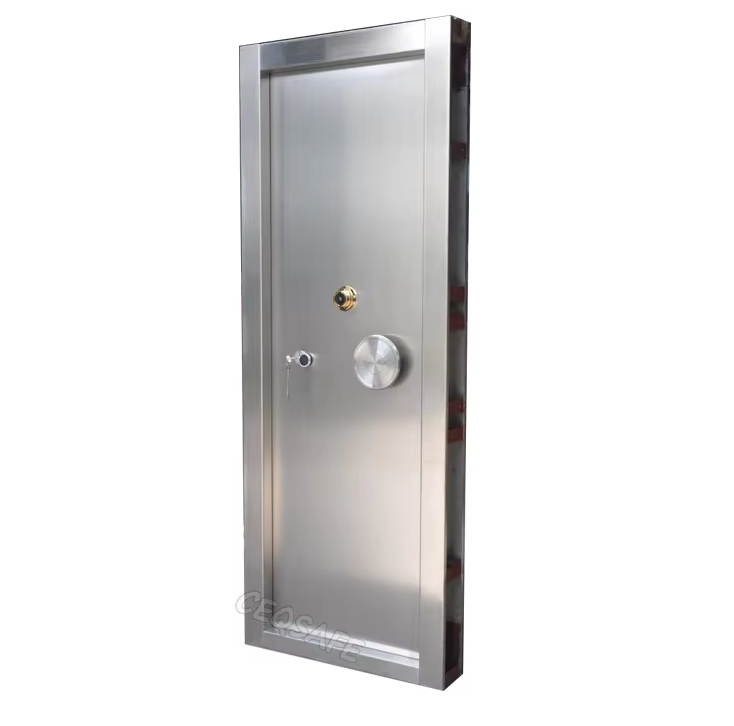
The First Priority: A Safe Way Out
The most important function an emergency exit is to provide a safe way to escape. Vaults are designed to be very safe and very sealed. If there are issues with the main door such as a locking mechanism malfunction, a fire, or another emergency, there needs to be another way to leave the vault. Certainly, people cannot wait hours for a technician to arrive and cut a massive steel door to make an exit. With the small emergency exits doors, people can leave without waiting for someone to unlock the door from the outside. This is what makes these spaces very safe.
Feeling Safe and Reducing Fear
Having an alternative emergency exit can provide great relief. Think of the security guard or vault technicians. They would be worried about the possibility of the only entry and exit point jamming shut. They can hopefully forget the fears and anxieties if there is an emergency exit. Depending on the situation and context, an emergency exit can provide calm and confident working environments. This can also help the vault owners and managers exercise their responsibility towards their employees and potential customers.
Emergency Door Use During Maintenance
The large doors on the vault are intricate pieces of engineering. Maintenance, repairs, and testing are essential to keeping the door working. The large door can be completely disabled or even partially dismantled. Emergency doors are helpful access points to allow technicians and staff to enter and exit while work is done on the large door. The vault maintains functionality and accessibility to complete routine tasks and without sacrificing vault security during maintenance. The design is smart because it keeps the main security barrier separated from everyday access needs during unique operating situations.
Design and Security Concerns
The thought of another door on a door does seem to create a point of weakness. However, emergency exit doors are designed to be just as strong as the primary door. Emergency exit doors are made with the same construction materials, typically solid steel, and are equipped with their own emergency door locking mechanism that is sophisticated and secure. These doors pose no risk of being opened by an outside intruder, as the emergency door locking mechanism is designed to be opened exclusively from the inside and provide no means of infiltration. The idea is to build an exit that is strong enough to withstand any assault from the outside, but can be opened from the inside at any time. Doors that are manufactured by security-specific companies with decades of experience are designed to meet the minimum standards of safety and security.
Safety Precaution Compliance
Designing large secured spaces like vaults always requires creativity and consideration for the applicable regulations. For instance, legal statutes and regulations do not recommend, but instead require, multiple exits for confined spaces, vaults included. Because the main door provides only one exit, the emergency door provides the second exit, independent of main exits, legal confinement, and complete vault design. For businesses looking to operate legally and safely, such an emergency exit door is non-negotiable. Compliance to safety regulations is second nature to most reputable manufacturers, and they build vaults to accommodate such expectations.
A Professional-Grade Vault Feature
Not all vault doors are the same. The best, most professional vaults from reputable manufacturers almost always have this type of feature. It shows attention to detail. When you see a vault door that has a little built-in emergency door, it shows the manufacturer thought about more than just the vault door's security. It shows the manufacturer is trying to protect the people that will be using the vault, as well as the valuables inside. For high-security applications, such as bank vaults or government vaults, emergency doors are fundamental, not extra.
Integration of Safety and Security
An example of smart design is the small emergency exit door built into a large vault door. It blends two opposing design requirements; personal safety and maximum security. A vault is designed to keep outside threats from entering, and this door design ensures those inside don't feel like they are imprisoned. The design is a practical example that shows vaults have to be designed with user risk in mind. For vaults in commercial premises, this exit door is a design requirement that ensures all three; safety, compliance regulation, and most importantly peace of mind to a vault operator. It's a small door that makes a lot of difference.

