
 EN
EN

There Are Many Types of Safe Locks - Which One Is Best for You?
Different Types of Safe Lock and Choosing the Best One for You
If you just bought a brand new safe and are excited about the feeling of safety that comes along with keeping your valuables behind thick steel and sturdy walls, think again! It's not the steel that provides real security, but the lock on the front. This little contraption is what keeps the real guardians, your valuables, safe from those who are not supposed to have access to them. But which one do you choose?
With the vast number of safes and lock systems available, choosing the right safes and the accompanying lock systems for your home or business can be a challenge. This is not a decision that can be made absentmindedly. The right lock for your bedroom heirloom jewelry box is the wrong lock for your retail outlet cash drawer or your office's important document drawer.
This article will explain the most common types of safe locks available today. We will discuss how each lock functions, the pros and cons, and ideal applications. By the end, you will be able to clearly identify which lock type balances security, convenience, and peace of mind. After all, a safe is only as strong as its lock.
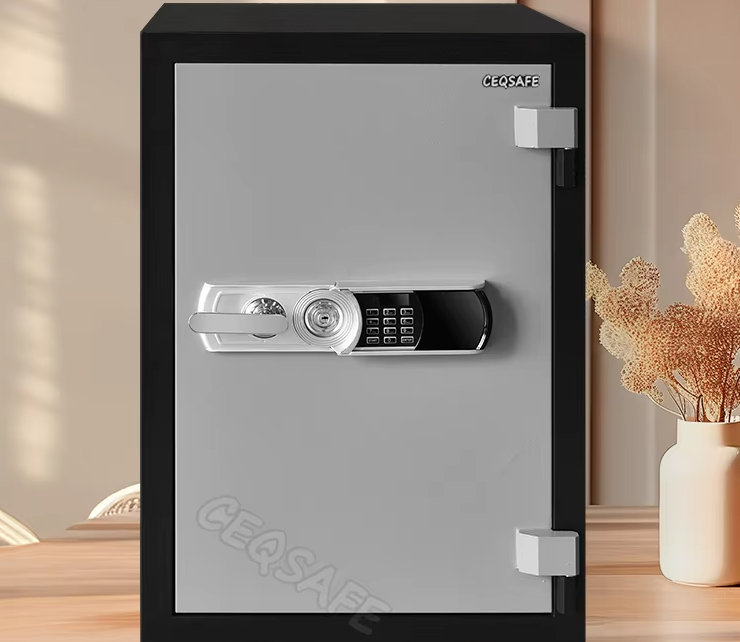
Traditional Key Locks: The Classic Choice
Let's start with the most traditional option: the key lock. These mechanical locks have been around for centuries and are very simple. You are given a key, and have to physically insert the key into the keyhole and turn the key. At that point, the bolt should slide to open the lock.
The greatest benefit of this type of lock is the simplicity and self sufficiency. These types of locks do not require batteries, electricity, or any type of complex programming in order for the lock to function. During power outages, electronic key locks often fail, but key locks will not. For many individuals, this type of reliability is a strong selling point. It proves direct, physical control.
Nevertheless, key locks have obvious drawbacks. The most obvious disadvantage is losing the key. When a single key is lost, it can make accessing a safe very difficult, costly, and may require the help of a locksmith. Keys can be duplicated, stolen, and can be found by the wrong person. Insecure storage, such as protecting personal belongings from prying eyes in a home, a key lock may be okay. For more secure storage, the vulnerabilities of a key lock outweigh the simplicity.
Electronic Keypad Locks the Modern Standard
Electronic keypad locks are more modern, and more of a safe standard. These locks are most commonly used on hotel room safes and home safes. They are simple to use. When you get the safe, you program a personal identification number (PIN) into the keypad. After programming, you can open the safe by entering your code.
There are valuable security positives here. One, there are no physical keys that can be lost. You only have to remember a code, which hopefully, you don't lose track of or tell someone. Two, security can be easily modified, with the ability to change a code and do so repeatedly, to protect against someone who knows the code. Other security features include the ability to add new codes for new users, which can be especially vital for splitting access with a family or with a business team.
The main conditions for this convenience are the battery components and electronic functions of the security lock. Battery operated locks are only useful if you change the batteries in a timely manner or else you could be locked out of your security. The electronics are also vulnerable to a malfunction. These factors of battery use and electronics mean that users of the security locks often lose the positives of the security lock. Most users find that the positives of a lock with good security, easy management, and a keypad that looks good outweigh the all of the factors mentioned above.
RFID and Card Locks The Swift Access Option
How about RFID (Radio-Frequency Identification) or card-based lock systems for even faster and more accessible entry? Unlike coded locks, with these locks, you just hold a programmed key fob, card, or sometimes, even a tag near a reader and instant access is granted.
These locks work great in speed and easy access situations. Take a hotel safe for example, where guests want to avoid remembering a new code. Or in a fast-paced office, when employees need to access a supply safe throughout the day. No more fumbling with a key or trying to remember a code.
The drawbacks are centered around the access token. Lend your card or fob, and you lend your access. Just like a key, it can also be stolen. The difference is that tokens can be deactivated, and a new card or fob can be reprogrammed, but this requires a manager to possess the master code or card. There is a good level of operational efficiency to this system, but a loss of security. It’s a trade-off that many organizations are willing to make.
Biometric Scanners: The Future of Fingerprint Technology
With fingerprint readers being the most advanced on the market, biometric locks are the most advanced in the field of safe security. The only fingerprint on the safe is the owner's, and the owner's fingerprints are all they need to unlock it. The scanner will read the fingerprint after the registered finger is placed on it, and it will match it with the owner's fingerprint.
No one can argue with the benefits of having one safe that locks with just one fingerprint. Having that one fingerprint on the safe is a strong personal security benefit, as it is also extremely challenging to duplicate. The biometric lock on the safe makes it easy to protect your items that are extremely personal and valuable, like firearms, documents that are sensitive, or collections that are valuable.
Everyone interested in biometric locks should know the restrictions of the technology. Optical scanners that are of good quality and that are extremely high in cost can be tricked and read incomplete fingerprints poorly. Since the scanners use batteries, like all electronic keypads, they will require replacement and maintenance that can be costly. Although the user pays a high cost, in return they will receive a powerful and impressive choice of biometric locks in the safe.
Making the Right Choice for You
With so many options available, how do you choose? Consider how you will use the safe, then answer the questions below to help narrow down your options.
First, how many people will need to access the safe? Is it just you, your entire family, or do you need to grant access to multiple employees? A single electronic code or key lock would be a hassle for a larger group, but a lock with multiple user codes or RFID cards would be convenient. If only one person will have access, then a biometric lock would be a great, personal option.
Second, how valuable are the items you are planning to protect? The security features should fit the risk. Some cash and important family documents could be secured with a good electronic keypad, but a more costly lock would be justified to protect a rare coin collection or valuable jewelry.
Finally, think about convenience versus security. The most secure lock in the world doesn’t do you any good if it’s so inconvenient that you avoid using the safe. The most convenient lock could be lacking in the protection that you need. Find the right balance.
Why Customization Matters
The first aspect of any lock is the construction quality. For example, how strong the bolt mechanism is and how durable the mounting steel are, determine how useful the fingerprint reader is. That is why it is important to select a reputable manufacturer when purchasing a safe. Some quality control vendors look for robust materials, and other vendors serve the more demanding clientele, like large corporations and homes. Whichever vendor you are dealing with, that quality control will reflect in the locks.
Additionally, your requirements are different from others. You may not like a standard model. The customizability of your safe is a positive factor, including the lock options. Some keypads are more useful, particularly for older people. Dual-authentication locks (where you enter a code and use a key) are more useful in businesses. Some people prefer custom lock plates to match their décor. After more than fifty years in the industry, the reputable manufacturers know that real security goes beyond selling a product. It is also about providing the right solutions.
Conclusion Your Key to Confidence
Selecting a lock for your safe is a very important part of keeping your valuables safe. From a simple key to a fingerprint scan, different safe locks provide different combinations of security, accessibility, and control.
There is no best lock for every person. The best lock will depend on the valuables you are protecting, your access requirements, and your comfort level with technology. Knowing the advantages and disadvantages of different locks will let you concentrate on the important element that allows access to the safe.
Give yourself the time you need to evaluate your situation and requirements, and select a lock that will provide you with confidence and peace of mind by keeping your valuables safe.

